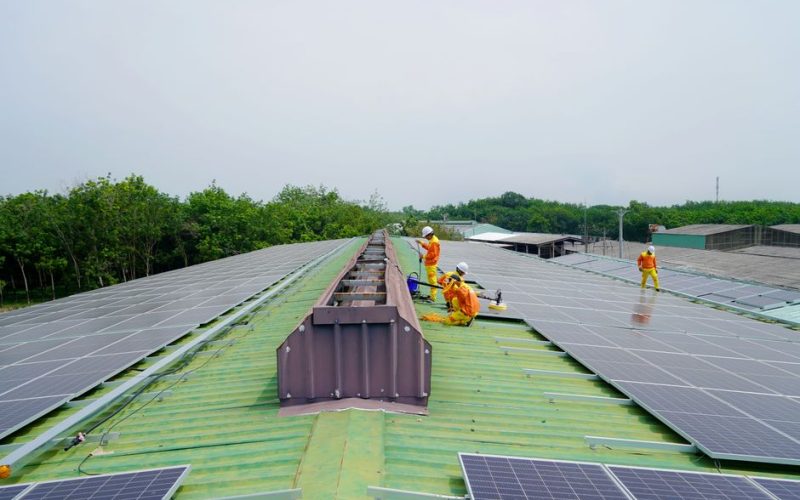
Top renewable energy ETFs offer investors a targeted path to support global decarbonization while positioning portfolios for structural economic shifts. As governments implement clean energy mandates and corporations transition away from fossil fuels, capital expenditures in solar, wind, energy storage, and smart electrical grids continue to expand. However, not all clean energy funds share the same risk exposure or asset allocation strategy. Some prioritize pure-play equipment manufacturers, whereas others favor diversified utilities and electrical infrastructure giants. This curated list evaluates the primary types of clean power funds available today, highlighting how distinct sub-sectors contribute to both energy security and measurable environmental impact.
Comparing Top Renewable Energy ETFs by Strategy
Exchange-traded funds in the sustainable power industry differ significantly based on geographic scope, market capitalization, and industry weighting. When allocating capital, institutional and retail investors usually evaluate whether an index follows pure-play clean innovators or mature utility corporations. Pure-play developers focus exclusively on zero-carbon technologies, delivering direct climate impact alongside higher equity volatility. In contrast, blended utility funds feature stable cash flows and dividend yields, though their decarbonization timelines may span multiple decades.
Understanding these strategic nuances helps investors match their risk tolerance with realistic climate objectives. Evaluating liquidity metrics, tracking errors, and benchmark methodologies remains essential before committing capital to any clean power basket.
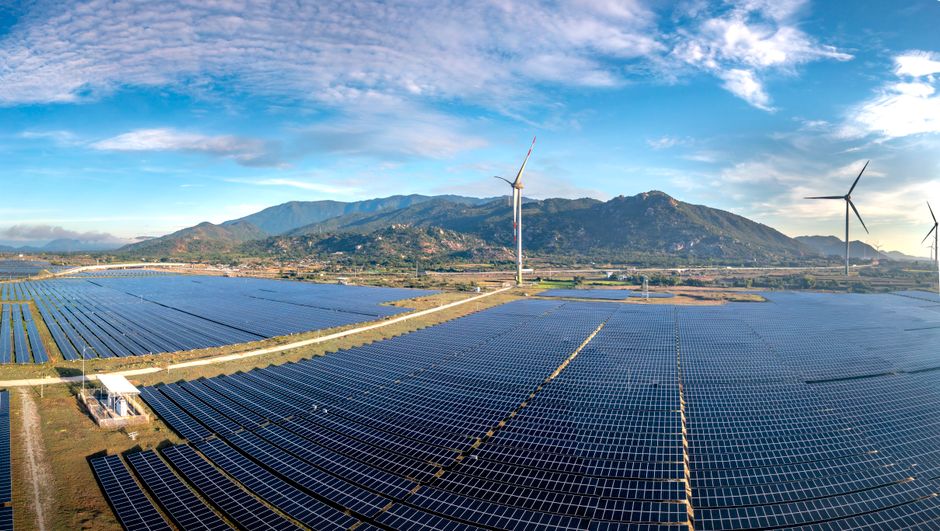
1. Global Diversified Clean Energy ETFs
Global diversified funds serve as the foundational building block for broad exposure to the energy transition. Products such as the iShares Global Clean Energy ETF (ICLN) track international indexes comprised of companies involved in solar, wind, hydroelectric, and biomass generation. Because these funds allocate capital across North America, Europe, and emerging markets, they mitigate localized regulatory risks.
Holdings in broad baskets typically span semiconductor manufacturers, turbine producers, and independent power producers. While broad exposure reduces single-stock vulnerability, global funds carry currency risk and exposure to varying geopolitical regulatory standards. Investors seeking comprehensive market participation often use diversified funds as their core thematic position.
2. Specialized Solar Energy Funds
Solar energy represents one of the fastest-growing power sources globally, driven by declining manufacturing costs and residential adoption. Targeted vehicles like the Invesco Solar ETF (TAN) concentrate capital directly into photovoltaic cell producers, inverter technology suppliers, and solar installation contractors. This targeted structure creates high sensitivity to residential housing activity, industrial commercial projects, and silicon supply chains.
Because solar hardware production remains highly competitive, profit margins can fluctuate based on polysilicon material prices and international trade tariffs. Solar funds offer aggressive growth potential during periods of robust commercial demand, but they require investors to navigate cyclical volatility and supply chain concentration.

3. Wind Power and Marine Turbine ETFs
Wind energy funds focus on utility-scale onshore wind farms, offshore marine installations, and heavy turbine component engineering. The First Trust Global Wind Energy ETF (FAN) exemplifies this niche by tracking enterprises engaged in blade manufacturing, tower construction, and wind farm management. Unlike residential solar, wind projects demand massive upfront balance-sheet financing and lengthy permitting timelines.
Consequently, companies within wind-focused portfolios often secure multi-decade power purchase agreements with industrial off-takers and regional governments. These agreements create predictable operational revenue streams. However, supply chain bottlenecks for specialized installation vessels and elevated borrowing costs can influence near-term installation velocities.
4. Smart Grid and Energy Transition Infrastructure ETFs
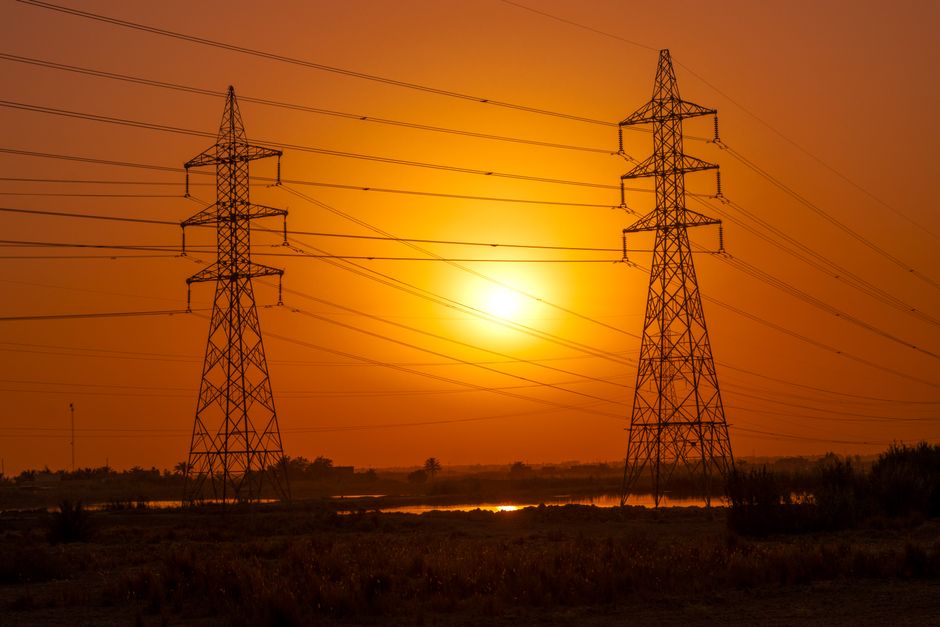
Generating renewable electricity requires a modernized electrical distribution network capable of handling decentralized, intermittent generation. Funds like the First Trust Nasdaq Clean Edge Smart Grid Infrastructure Index Fund (GRID) concentrate on companies building power grid networks, transmission lines, smart meters, and grid-scale battery storage. This sector bridges traditional industrial electrical engineering with digital software controls.
Without significant transmission expansion, newly built renewable power generation cannot reach major metropolitan demand centers. Infrastructure-oriented ETFs therefore provide exposure to essential utility modernization projects backed by municipal and national spending programs. This sub-sector frequently appeals to investors seeking lower technology obsolescence risk.
Key Risk Factors and Due Diligence for Investors
Investing in the renewable transition involves notable macroeconomic considerations. Clean energy companies rely heavily on long-term project debt to finance new installations, meaning elevated interest rates can compress profit margins and delay project construction timelines. Investors must examine expense ratios, fund turnover, and top-ten holding concentrations within each vehicle before allocating capital.
This material is provided strictly for educational purposes and does not constitute financial, investment, or legal advice. Market participants should perform thorough due diligence and assess their individual financial circumstances before making any thematic portfolio investments.