
Sustainable real estate REITs have emerged as a distinctive segment for income-focused investors evaluating commercial property. As corporations set stringent carbon reduction targets, certified green buildings increasingly attract premium tenants and command stable leasing terms. However, analyzing these specialized investment trusts requires looking beyond environmental labels to evaluate structural capital expenditure, operational efficiency, and debt profiles. This analysis examines the underlying market drivers, financial trade-offs, and risk factors that shape dividend distributions from resource-efficient portfolios. By assessing both advantages and potential headwinds, investors can better understand how environmental standards influence real estate performance.
The Financial Mechanics of Green Buildings
Commercial real estate fundamentally relies on net operating income to support regular distributions. Green properties reduce utility costs through high-efficiency HVAC systems, automated LED lighting, and smart water management. Lower operating expenses directly lower common area maintenance charges, making the property more attractive to corporate occupants.
Certifications like LEED, BREEAM, and Energy Star serve as formal validation of these efficiencies. Data centers, logistics hubs, and prime urban offices with verified efficiency often report lower vacancy rates. Furthermore, utility savings buffer net operating income against volatile energy prices. When operating margins stay resilient, a trust can protect its core cash flow.
However, green operational savings do not automatically produce superior dividend growth. Investors must separate gross utility reductions from the cost of maintaining specialized environmental management systems. The financial benefit depends heavily on lease structure, specifically whether savings accrue to the landlord or the tenant under triple-net lease agreements.

How Sustainable Real Estate REITs Capture Tenant Premiums
Corporate sustainability commitments now directly influence commercial leasing choices. Multinationals face pressure from shareholders and regulators to report operational carbon emissions. Consequently, leasing certified sustainable space allows enterprise tenants to meet corporate reporting mandates without redesigning their internal real estate strategies.
Because of this demand, sustainable real estate REITs often secure higher occupancy rates in prime urban submarkets. Premium corporate tenants typically negotiate longer lease terms and present lower default risks during market downturns. This stability stabilizes revenue predictability, which forms the foundation for regular dividend distributions.
A critical analytical counterpoint remains whether green spaces command a permanent price premium or simply prevent value erosion. As high-efficiency building designs become the industry standard, non-certified commercial assets face widening rental discounts. Thus, sustainable assets might not yield extraordinary rent growth, but rather protect capital against sudden asset obsolescence.
The Capital Allocation Dilemma: Retrofits Versus New Assets
Acquiring newly constructed green properties requires significant upfront capital. Alternatively, converting existing legacy structures requires intensive capital expenditure. Trust managers must decide whether to deploy debt for deep retrofits or acquire modern assets at premium capitalization rates.
Retrofitting older building stock involves replacing central plant machinery, installing advanced window glazing, and upgrading structural insulation. These multi-year projects introduce operational disruption and tenant relocation costs. If construction timelines expand during high interest rate periods, borrowing costs can erode the forecasted return on invested capital.
Capital allocation decisions directly affect distribution ratios. When a trust diverts substantial free cash flow toward decarbonization renovations, short-term dividend growth may decelerate. Investors must examine whether management funds these improvements through operational cash flow, equity dilution, or green bond issuances that add debt obligations.
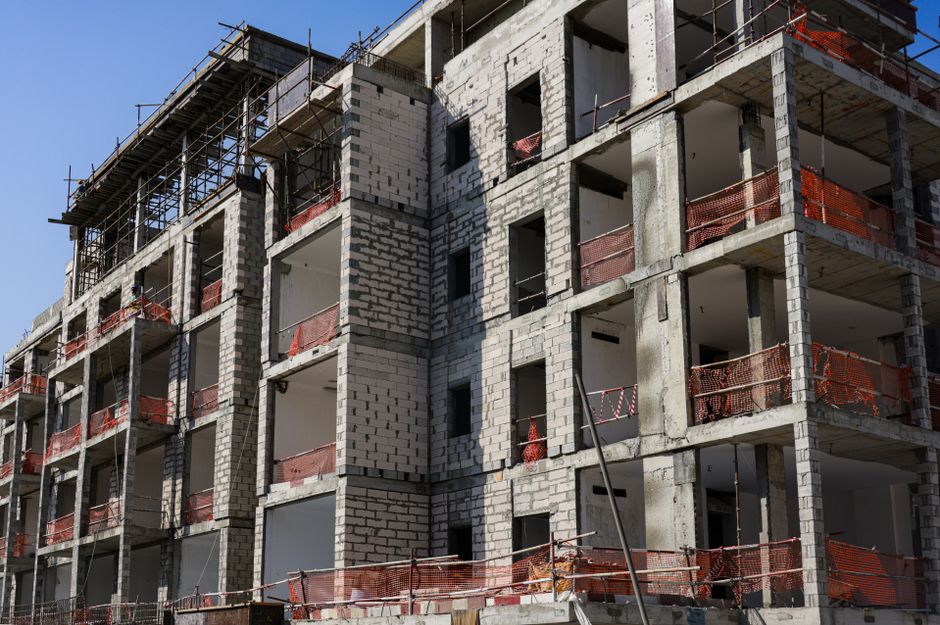
Evaluating Stranded Asset Risks and Dividend Sustainability
Municipal regulatory frameworks present both opportunities and balance sheet risks for commercial real estate portfolios. Several major metropolitan areas now enforce strict building emissions caps with associated financial penalties. In this regulatory climate, inefficient commercial properties risk becoming stranded assets that require steep write-downs.
Portfolios with proactive environmental management reduce exposure to regulatory fines and compliance liabilities. Moreover, institutional debt markets have increasingly supported these entities through sustainability-linked credit facilities, which sometimes offer lower borrowing spreads upon reaching predetermined performance benchmarks.
Ultimately, analyzing sustainable real estate REITs requires scrutinizing balance sheet resilience alongside sustainability metrics. Investors should review payout ratios, lease expiration schedules, and capital reserves allocated for environmental compliance. Long-term dividend health relies on whether management achieves legitimate operational advantages while maintaining prudent leverage across varying market cycles.